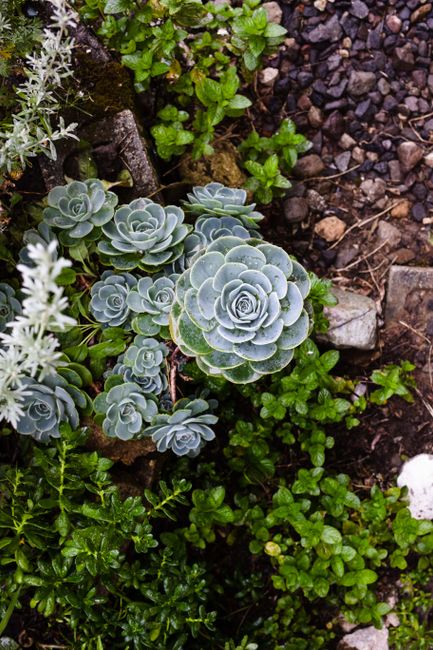
Riverside low maintenance planting by Millbank gardeners
If you want a planting scheme that looks polished through the seasons without turning into a full-time job, you are in the right place. Riverside low maintenance planting by Millbank gardeners is about choosing the right plants, the right structure, and the right upkeep plan for a setting that can be a bit tricky: bright reflections off water, gusts along the river, shade from nearby buildings, and the everyday realities of busy London living. It sounds simple on paper. In practice, a good design makes the difference between a tidy border that quietly improves every week and a bed that starts to look tired by midsummer. This guide walks through what works, why it matters, and how to get a scheme that feels calm, durable, and genuinely manageable.
To be fair, low maintenance does not mean no maintenance. It means sensible maintenance. Less fuss, fewer replacements, and a planting plan that can handle real life. Let's get into it.
Table of Contents
- Why Riverside low maintenance planting by Millbank gardeners Matters
- How Riverside low maintenance planting by Millbank gardeners Works
- Key Benefits and Practical Advantages
- Who This Is For and When It Makes Sense
- Step-by-Step Guidance
- Expert Tips for Better Results
- Common Mistakes to Avoid
- Tools, Resources and Recommendations
- Law, Compliance, Standards, or Best Practice
- Options, Methods, or Comparison Table
- Case Study or Real-World Example
- Practical Checklist
- Conclusion
- Frequently Asked Questions
Why Riverside low maintenance planting by Millbank gardeners Matters
Riverside planting has its own personality. Water nearby can soften temperatures, increase light glare, and sometimes create pockets of wind that catch taller, softer plants at the worst possible moment. In Millbank, that often means a garden space needs more thought than a typical sheltered courtyard or suburban border. You are not just choosing attractive plants; you are choosing plants that can stay attractive with limited intervention.
That matters for a few simple reasons. First, many riverside gardens are part of busy homes, apartment terraces, shared courtyards, or managed spaces where nobody wants a weekly maintenance drama. Second, these places often need to look good in more than one season, not just for a brief burst of spring colour. And third, low maintenance planting can help the space feel calmer and more intentional, which is exactly what people want when they can see the river, hear the traffic, and then step into their own little pocket of green.
There is also a practical side. A well-planned planting scheme can reduce watering demand, limit pruning, and avoid the sort of soft, floppy growth that quickly looks untidy in exposed spots. That is where experienced Millbank gardeners bring value: they know how to balance structure with softness, and how to make a small or awkward space feel considered rather than crowded.
Expert summary: The best riverside planting is not the most exotic or the most expensive. It is the planting that suits exposure, drainage, shade, and the amount of time you actually have to look after it.
How Riverside low maintenance planting by Millbank gardeners Works
The process starts with observation. Good gardeners look at how water moves, where the sun falls through the day, which areas dry out fastest, and where wind catches. A river-facing area can be surprisingly mixed in conditions. One end may be bright and exposed, while another sits in the shadow of a wall or railing and stays damp for longer than you would expect. Truth be told, that patchwork effect is why some planting schemes thrive and others struggle.
From there, the planting design usually follows a few core principles:
- Choose resilient plants first. Plants that tolerate exposure, urban conditions, and moderate neglect are the backbone of the scheme.
- Layer for structure. Evergreen shrubs, grasses, and reliable perennials create shape without constant replanting.
- Reduce high-maintenance edges. Too many delicate annuals, clipped shapes, or thirsty displays can become a chore.
- Plan for drainage and moisture. Riverside settings can swing between dry and damp, especially near paving, walls, and containers.
- Use mulch and groundcover. These suppress weeds and retain moisture, which cuts down regular work.
A practical scheme often combines architectural plants, a handful of long-flowering perennials, and a few textured fillers that do not collapse after a week of wind. The result should feel lived-in but neat. Not stiff. Not wild. Just settled.
Millbank gardeners also tend to think in terms of maintenance rhythm. If you need to visit every three days to keep things alive, the scheme is too demanding. If you only need light seasonal tidy-ups, a mulch refresh, and the occasional cutback, you are in the right territory. That is the sweet spot.
Key Benefits and Practical Advantages
Low maintenance planting earns its keep in several ways. Some are obvious. Others only become clear once you have lived with the garden for a while.
- Less weekly upkeep: The obvious one, but worth saying. Fewer deadheading jobs, fewer replacements, and less watering.
- More reliable visual appeal: A strong structure keeps the garden looking composed even when individual plants are between flowering periods.
- Better value over time: Spending carefully at the design stage can reduce future spending on repairs, replacements, and rushed seasonal fixes.
- Improved resilience: Plants chosen for the conditions are more likely to cope with wind, reflected light, and variable moisture.
- Cleaner lines and less clutter: Good low maintenance planting often makes small spaces feel bigger and calmer.
- Suitable for busy households or managed properties: If there are multiple users, a simpler scheme avoids confusion and neglect.
There is a subtle benefit too: less decision fatigue. A planting scheme with too many delicate elements can become oddly stressful. You keep wondering whether something needs deadheading, dividing, or rescuing. A steady, well-structured garden lets you enjoy it instead of monitoring it constantly. And honestly, that is the whole point for many people.
For river-adjacent homes and courtyard spaces, this approach also works beautifully alongside broader upkeep. If the outside area needs a reset first, a service like garden clearance can create the clean slate you need before any planting begins. If the rest of the garden needs ongoing support, garden maintenance is often the natural follow-up.
Who This Is For and When It Makes Sense
This kind of planting is ideal if you want the garden to look good without becoming a second job. That includes homeowners, landlords, flat owners with terraces, busy professionals, and anyone managing a shared outdoor area where the brief is simple: keep it attractive, keep it tidy, and keep the effort sensible.
It makes particular sense if:
- your outdoor space is exposed to wind or changing light;
- you are tired of plants that look brilliant for two weeks and then collapse;
- you want a more polished look with fewer seasonal swaps;
- the garden is visible from inside and needs to look presentable year-round;
- you prefer reliable structure over complicated planting displays;
- you are working with a small or awkward space and need every square metre to earn its keep.
It may not be the right choice if you enjoy frequent planting changes, topiary precision, or a highly seasonal bedding display. There is nothing wrong with that. Some people love the ritual. But if your priority is longevity and ease, riverside low maintenance planting is usually the better fit.
We often find that people start with one corner or border, then realise the same logic applies to the whole space. A small terrace can suddenly feel much less demanding when the planting is chosen properly. Funny how that happens.
Step-by-Step Guidance
1. Assess the site properly
Before anything is planted, check the practical conditions. Where is the strongest wind? Which areas get direct sun, and for how long? Where does water drain after rain? Are there hot reflective surfaces nearby, such as pale paving, glass balustrades, or brick walls? These details shape the planting plan more than people expect.
2. Decide what "low maintenance" means for you
For one person, that means no bedding plants. For another, it means a few seasonal containers are fine as long as the borders stay simple. Be honest. If you do not have time for regular feeding, deadheading, and replacement planting, say so at the outset. A good plan should match your real routine, not the ideal version of your routine.
3. Build the structure first
Start with the backbone: evergreen shrubs, grasses, and dependable perennials. These provide the shape that holds the garden together through winter and shoulder seasons. Without structure, you end up with gaps, then weeds, then the sort of blankness that makes a space feel unfinished.
4. Layer plants by height and texture
Good planting is not just about colour. Texture matters. Broad leaves, fine grasses, upright stems, and softer mounds can all work together if they are used carefully. The right mix creates interest without demanding constant intervention. It also looks more natural, which suits riverside settings rather well.
5. Choose plants that tolerate exposure
Wind-resistant and drought-tolerant plants are often safer choices near the river, especially in open or elevated spots. You want plants that stay composed, not ones that need coddling every time the weather shifts. Slightly tougher species are often the best value in the long run.
6. Reduce open soil
Mulch, groundcover, and thoughtful spacing help keep weeds down and moisture in. This is one of those boring-but-brilliant steps. It does not photograph especially well, but it saves a lot of work later. In our experience, the difference after a wet spring and a dry spell is huge.
7. Plan the maintenance rhythm
Even a low maintenance design needs a rhythm. Think seasonal tidy-ups, occasional feeding if required, mulching, and a careful check for overcrowding. The trick is to keep the rhythm light. No one wants a garden that punishes them for missing a weekend.
8. Review after the first season
Most planting plans improve once they have lived through a full year. Some plants will spread more than expected; others may want more sun or less moisture. A thoughtful review after the first season helps you refine the scheme instead of repeating the same small mistakes forever. That is often where the garden really starts to feel settled.
Expert Tips for Better Results
Here are the details that tend to separate an average planting scheme from one that keeps looking good.
- Prefer repetition over randomness. Repeating a few plant types creates calm and makes maintenance easier.
- Use evergreen anchors. A handful of evergreen plants will hold the design together when flowers fade.
- Avoid overcrowding. New plantings often look sparse at first, but they will fill out. Give them room.
- Think about winter silhouette. A good garden should still have shape when everything else is quiet.
- Choose plants with a clear job. Some add height, some soften edges, some provide ground cover. Every plant should earn its place.
- Keep containers disciplined. Containers are useful, but too many of them can quietly become high maintenance chaos in nice pots. Been there, seen it.
- Use mulch generously. It is one of the simplest ways to reduce weeds and improve moisture retention.
One practical observation: plants with strong stems and tidy habits often perform better riverside than showy, delicate options. You may not get the biggest bloom in the neighbourhood, but you will get a garden that stays handsome when the wind picks up and everyone else is doing emergency staking.
Also, do not ignore the view from indoors. If the garden is mainly seen through a kitchen window or from a living room, place the strongest structure where the eye naturally lands. A well-positioned shrub or grass can do more for the overall impression than a whole tray of fussy colour.
Common Mistakes to Avoid
Some planting problems show up quickly. Others take a season or two to reveal themselves. Here are the ones that come up most often.
- Choosing plants for looks alone: A plant that looks perfect in a nursery may struggle in exposed riverside conditions.
- Ignoring drainage: Wet roots and compacted soil can undo otherwise good planting.
- Overreliance on bedding plants: Bedding can look lovely, but it usually needs more care than a low maintenance plan allows.
- Too many varieties: A mixed-up collection can look busy and require more individual care.
- Forgetting mature size: Small plants grow. Sometimes a lot. The future shape matters.
- Neglecting seasonal interest: If all the colour is packed into one month, the rest of the year can feel flat.
- Skipping the first-year support: Even hardy plants often need proper watering while they establish.
A common one, and this is very human, is planting something because you liked it in another garden. Different light, different wind, different soil. Same plant, different story. That is why local experience matters so much.
Another small trap: forgetting that low maintenance is a design goal, not a plant label. Even a so-called easy plant can become high maintenance if it is put in the wrong place. Sounds obvious, but it happens all the time.
Tools, Resources and Recommendations
You do not need a shed full of specialist kit to keep a low maintenance planting scheme in good order, but a few basics help enormously.
- Hand trowel and fork: Useful for planting, edging, and removing weeds before they settle.
- Sharp secateurs: A clean cut makes pruning easier and healthier for plants.
- Watering can or hose with control: Especially useful during establishment, when roots are still getting established.
- Mulch: Bark, composted material, or other suitable mulch helps suppress weeds and retain moisture.
- Plant supports: For the few plants that need them, discreet supports can prevent flopping without making the bed look cluttered.
- Simple garden notebook or phone notes: Keep track of what was planted where, and what needs attention after the first season.
If you are comparing services, it helps to look at what is included rather than just the headline price. Some people need only planting design and installation. Others need more ongoing support, maybe even landscape gardening if the space needs structural changes before planting can begin. In some cases, broader landscaping work is the more sensible route, especially if paving, levels, or circulation are part of the issue.
For clarity on service scope, many homeowners also look at services overview and pricing and quotes before making decisions. That is often the easiest way to compare what is included and what is optional.
Law, Compliance, Standards, or Best Practice
Most planting work is straightforward, but riverside sites can sit within managed buildings, communal spaces, or properties where access, waste handling, and safety need a bit of care. It is sensible to follow standard UK best practice even when the job is relatively simple.
That usually means checking access arrangements, protecting shared areas during work, using appropriate personal protective equipment where needed, and disposing of green waste responsibly. If tree work is involved, especially on mature or overhanging trees, it is wise to treat that as a separate task rather than a casual add-on. A service such as tree lopping and removal may be relevant when branches are affecting light, safety, or the long-term planting plan.
For sites with clear boundary issues, shared access, or nearby structures, good practice also means avoiding root disturbance where it could damage paving or foundations. It is best to be cautious rather than assume everything can be shifted around without consequence. Likewise, if any garden work involves tools, ladders, or uneven ground near water, safety procedures matter. No drama, just sensible care.
If you are hiring gardeners, it is reasonable to ask about insurance, site safety, and how waste is handled. Many clients prefer to know this upfront, and rightly so. A professional approach should feel orderly from the first conversation through to the tidy-up at the end. You can also review insurance and safety and health and safety policy if you want a clearer sense of working standards.
Options, Methods, or Comparison Table
There is no single right way to create a low maintenance riverside planting scheme. The best option depends on the look you want, the level of upkeep you can realistically manage, and how exposed the site is. Here is a simple comparison that may help.
| Approach | Best for | Maintenance level | Main trade-off |
|---|---|---|---|
| Evergreen structure with perennials | Year-round shape and tidy appearance | Low | Less instant seasonal colour than bedding |
| Grasses and textural planting | Windy, modern, or open riverside spaces | Low to moderate | Some grasses need seasonal cutback |
| Mixed shrubs and groundcover | Small borders and screening | Low | May take time to fill in |
| Container-led planting | Terraces, patios, and paved areas | Moderate | More watering and feeding than border planting |
| Seasonal bedding displays | High-impact colour for short periods | Higher | Requires regular replacement and care |
For many Millbank properties, the most successful approach is a blend: strong permanent structure in the ground, with a limited number of well-chosen containers for seasonal interest. That gives flexibility without creating a maintenance headache. If privacy is part of the brief too, tall-potted planting can be a smart addition; there are useful ideas in the blog post about tall-potted plants that add privacy and charm.
If you like the idea of a calmer outdoor retreat, another useful read is tall-potted plants that create quiet retreats. It is especially relevant where you want the garden to feel soft and private without losing the low maintenance focus.
Case Study or Real-World Example
Imagine a small Millbank riverside courtyard: a narrow planting bed, a paved seating area, and a view that is lovely but a little exposed. The owner wants greenery, but not a garden that needs constant fussing. At first, the space is patchy. There are a few tired shrubs, some overworked pots, and a lot of bare soil. You can almost feel the maintenance stress just looking at it.
The redesign begins with clearing out the weak plants and improving the soil. A compact evergreen structure is introduced at the back, with tough, upright perennials and a few grasses placed to catch the light. Groundcover is used at the front to close gaps, and mulch is applied to reduce weeds and keep moisture in. A couple of containers are added for seasonal flexibility, but not so many that watering becomes a chore. The result is not flashy. It is better than flashy. It is steady.
After the first season, the main difference is not just appearance. It is confidence. The owner knows what needs trimming, what needs dividing, and what can largely be left alone. The garden still changes with the weather, of course, but it no longer feels fragile. On a windy evening, when the river air is moving and the leaves are doing that soft rustle thing, the planting holds its shape. That is the real win.
In a lot of cases, the most satisfying outcome is simply that the space starts to feel easy. Not empty. Not overdone. Easy.
Practical Checklist
- Check sun, shade, wind exposure, and drainage before choosing plants.
- Decide how much maintenance you genuinely want to do each month.
- Prioritise evergreen structure and reliable perennials.
- Choose plants suited to exposed or riverside conditions.
- Limit the number of different species so the design stays coherent.
- Use mulch or groundcover to reduce weeds and moisture loss.
- Allow enough space for mature growth.
- Plan for seasonal tidy-up rather than constant intervention.
- Review the garden after the first full year and adjust if needed.
- Keep notes on what works well in your specific spot.
Quick takeaway: A successful low maintenance riverside garden is built on good structure, sensible plant choices, and a realistic care plan. Get those three right, and the rest becomes much easier.
Conclusion
Riverside low maintenance planting by Millbank gardeners is really about designing for the life you actually live. Not the perfect life. The real one. The one where you want the view to feel greener, the space to feel calmer, and the upkeep to stay manageable without constant intervention.
When planting is matched to exposure, drainage, and the rhythm of the space, the garden becomes easier to enjoy and easier to trust. That is a quiet kind of luxury, to be fair. No constant rescue jobs. No frantic replacements. Just a planting scheme that does its job and keeps looking good.
If you are ready to create a riverside garden that feels polished without being demanding, now is a good time to plan the next step with a team that understands the local conditions and the practical realities of maintenance. A well-designed space can genuinely change how home feels.
Get a free quote today and see how much you can save.
Frequently Asked Questions
What does low maintenance planting actually mean for a riverside garden?
It means using plants and design features that need less watering, pruning, replacing, and general fuss. In a riverside setting, that usually also means choosing plants that can handle wind, reflected light, and variable moisture without constant attention.
Is riverside planting harder to maintain than a normal garden?
It can be, yes, because conditions are often more exposed and less predictable. But with the right structure and plant choices, it becomes much easier. The trick is to work with the site rather than trying to force a garden style onto it.
Which plants work best for low maintenance planting near the river?
Plants that are resilient, structure-friendly, and not overly delicate tend to perform best. Evergreen shrubs, grasses, and hardy perennials are often a strong base. The exact mix depends on light, shelter, and soil conditions.
Do I still need regular upkeep if I choose low maintenance planting?
Yes, but much less. Most schemes still need seasonal tidy-ups, occasional pruning, mulching, and some watering while plants establish. Low maintenance means reduced effort, not zero effort. Sadly, gardens have not quite got that memo yet.
Can low maintenance planting still look attractive all year?
Absolutely. The best schemes rely on structure, texture, and repeated planting rather than short-lived colour alone. That way, the garden still has shape and interest even when flowers are not at their peak.
How do I make a small riverside space feel less cluttered?
Use fewer plant types, repeat them for rhythm, and avoid overcrowding. Groundcover, clean edging, and a few stronger focal plants can make a small space feel calmer and larger than it really is.
Is container planting a good option for low maintenance gardens?
It can be, but containers usually need more watering and feeding than in-ground planting. A few well-placed pots can work nicely, especially for privacy or seasonal accents, but too many can increase maintenance quite a bit.
How long does it take for a new planting scheme to settle in?
Most schemes need at least one full season to show how they are really going to perform. Some plants settle quickly, while others take time to establish and fill out. A follow-up review after the first year is usually worthwhile.
What are the biggest mistakes people make with riverside planting?
The main ones are choosing plants for looks alone, ignoring drainage, overplanting with fussy species, and not allowing enough room for growth. Another common issue is assuming a plant that worked somewhere else will behave the same way in a more exposed location.
Should I use a gardener or designer for this kind of project?
If the space is simple, an experienced gardener may be enough. If the area needs structural changes, a more detailed planting plan, or coordination with paving and levels, a broader landscaping or garden design approach may be more suitable.
How do I know if my garden needs clearance before planting?
If there are lots of old roots, weeds, overgrown shrubs, or patchy areas that are hard to work around, clearance is often the sensible first step. Starting with a clean slate usually gives better results and avoids wasting time on weak planting.
Are there any safety or compliance issues to think about?
Yes, especially on shared or elevated sites. Safe access, proper waste handling, and careful work near water, railings, or walls all matter. If trees or larger shrubs are involved, it is wise to handle them with care and use appropriate safety procedures.
Can I combine privacy planting with low maintenance design?
Yes, and it is often a very good idea. Tall-potted plants, evergreen screening, and layered planting can create privacy without creating a high-maintenance jungle. The balance is the key.
What is the best next step if I want this done properly?
Start with a site assessment and a realistic conversation about maintenance, style, and budget. Once those are clear, the planting plan becomes far more precise, and the end result usually feels more reliable. That is where good gardens begin.