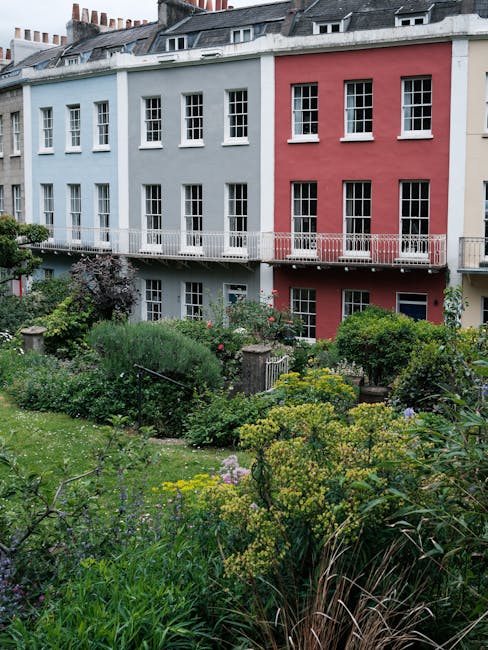
Horseferry Road Courtyard Garden Plan for Millbank Gardeners
If you are working with a courtyard off Horseferry Road, you already know the challenge: beautiful bones, limited space, and very little margin for poor decisions. A good Horseferry Road courtyard garden plan for Millbank gardeners has to do more than look tidy on paper. It needs to handle shade, privacy, drainage, access, and day-to-day maintenance without turning into a constant chore. That is the real brief. Not a glossy sketch. A garden you will actually enjoy on a Tuesday morning, even when the weather is doing its usual London thing.
In this guide, we'll look at how to shape a courtyard garden that feels calm, useful, and easy to live with in Millbank. You'll find practical steps, common mistakes to avoid, and sensible choices for planting, surfaces, layout, and upkeep. If you want a plan that balances style with real-world practicality, you're in the right place.
Table of Contents
- Why Horseferry Road Courtyard Garden Plan for Millbank Gardeners Matters
- How Horseferry Road Courtyard Garden Plan for Millbank Gardeners Works
- Key Benefits and Practical Advantages
- Who This Is For and When It Makes Sense
- Step-by-Step Guidance
- Expert Tips for Better Results
- Common Mistakes to Avoid
- Tools, Resources and Recommendations
- Law, Compliance, Standards, or Best Practice
- Options, Methods, or Comparison Table
- Case Study or Real-World Example
- Practical Checklist
- Conclusion
- Frequently Asked Questions
Why Horseferry Road Courtyard Garden Plan for Millbank Gardeners Matters
Courtyard gardens in Millbank tend to sit in that awkward but lovely middle ground between private outdoor room and practical access space. They are often compact, enclosed, and overlooked by neighbouring buildings, which means every square metre has to earn its keep. A strong courtyard plan helps you make the garden feel bigger, brighter, and more intentional.
The layout matters because small spaces punish hesitation. If the seating area is too large, the planting feels squeezed. If the planting is too dense, the garden feels cluttered. If the surface finishes are wrong, the whole thing can become slippery, noisy, or difficult to maintain. Truth be told, that is where many otherwise decent gardens fall over. The shape is right, but the balance is off.
For Millbank gardeners, the plan also needs to reflect local realities: shade from surrounding buildings, wind channels between properties, limited storage, and the need for a garden that still looks good in winter. A courtyard in this part of London often has a strong architectural backdrop, so the garden should complement the space rather than compete with it.
There is also a practical side. A well-considered plan can reduce maintenance time, improve drainage, support healthier planting, and make it easier to phase work if the whole garden cannot be completed at once. That's useful whether you are refreshing a tired courtyard or starting from a blank shell after clearance. If the space needs a deeper reset first, a garden clearance service can help create a clean starting point before design work begins.
Expert summary: In a courtyard garden, the best plan is usually the one that looks calm, handles shade well, and makes maintenance straightforward. Fancy is fine. Functional is better. Both together is ideal, but the garden has to work on wet mornings too.
How Horseferry Road Courtyard Garden Plan for Millbank Gardeners Works
A proper courtyard garden plan starts with the space as it is, not as you wish it were. That means measuring accurately, checking access routes, noting sun and shade patterns, and understanding what the garden is already doing well. A tiny courtyard can feel generous if the layout is clever. The opposite is also true, unfortunately.
Most successful plans follow a simple process: assess, sketch, simplify, and then build in layers. The assessment stage identifies fixed features such as walls, doors, drains, steps, and any awkward corners. The sketch stage turns those realities into zones: circulation, seating, planting, storage, and focal points. The simplification stage strips out anything that does not genuinely earn space. Then the build stage brings in materials, structure, and planting that suit the conditions.
In many Millbank courtyards, the biggest visual gains come from a few controlled moves rather than a long shopping list. You might use one larger surface treatment, one strong seating element, and repeated planting groups rather than lots of small items. Repetition is your friend. Too many different materials in a small space can make it feel busy and oddly compressed.
Water management is another part of how the plan works. Courtyards can collect rain in low spots or bounce runoff toward the wrong corner. A good design anticipates that by choosing permeable or well-drained surfaces where possible, setting levels carefully, and avoiding planting beds that become soggy every time it rains. Wet feet and courtyard plants are not great companions.
If you are thinking beyond basic layout and want the garden to connect with hard landscaping, seating, and circulation more deliberately, it may be useful to look at landscape gardening or broader landscaping support. In a compact garden, the line between garden design and construction blurs pretty quickly.
Key Benefits and Practical Advantages
When done properly, a courtyard garden plan gives you more than a prettier view from the kitchen window. It changes how the space is used day to day.
- Better space use: Zones stop the garden from feeling like one flat rectangle of compromise.
- Lower maintenance: The right planting and materials reduce constant tidying.
- Improved privacy: Layered planting, screens, and level changes can soften overlooking.
- Calmer feel: Clean lines and repeated materials create a sense of order.
- Year-round interest: A good plan considers winter structure, not only summer colour.
- Safer movement: Better surfaces and sensible circulation reduce awkward steps and bottlenecks.
- Higher usability: A garden that can host a chair, a coffee, or a potting session gets used more often.
There is also a subtler benefit that people often overlook: a coherent courtyard plan makes the whole property feel more considered. That can matter a lot in central London, where outdoor space is at a premium and first impressions carry weight. Even a small, well-resolved courtyard can feel quietly luxurious. Nothing shouty. Just sorted.
Maintenance is a big one too. If the plan is built around realistic upkeep, then the garden stays neat between visits rather than slowly sliding into chaos. A garden maintenance service can then support the space instead of constantly rescuing it. That is the difference between a design that looks good for a month and one that still feels right after a year of weather, leaf fall, and everyday use.
Who This Is For and When It Makes Sense
This kind of courtyard garden plan makes sense for a fairly wide range of people, but especially for those who are dealing with compact outdoor areas in Millbank and Horseferry Road where the old "let's just put a few pots down and see" approach has stopped working.
You may be ready for a proper plan if:
- your courtyard feels cramped or underused
- the planting is tired, patchy, or too maintenance-heavy
- water pools after rain or the surface is uneven
- the garden lacks privacy or shade balance
- you want a cleaner, more architectural look
- you need a layout that works for regular use, not just occasional admiration
- you are combining planting with hard landscaping or decking
It also makes sense for landlords, managing agents, and homeowners who need a garden that is easy to keep presentable. In those situations, the plan has to be practical first. That does not mean boring. It just means the space needs to stay tidy without becoming a second job.
And if your courtyard has overgrown edges, hedging that is swallowing light, or a small tree making the space feel tighter than it should, there may be a role for hedge trimming or even tree lopping and removal. Not every garden problem is solved by planting more things. Sometimes the best move is to reveal the space that is already there.
Step-by-Step Guidance
If you want a courtyard garden plan that genuinely works, start with the basics and build carefully. Rushing the middle of the process is where people get stuck. Here's a simple, practical order.
- Measure the space properly. Include doors, windows, drains, steps, existing beds, and any fixed obstacles. A rough estimate is fine for a first sketch, but do not build from memory. Courtyards are notorious for awkward little measurements that matter later.
- Map sunlight and shade. Note where the light falls in the morning, midday, and late afternoon. A north-facing courtyard behaves very differently from a west-facing one, and the planting plan should reflect that.
- Decide how the space should feel. Should it be restful, sociable, formal, leafy, or clean and minimal? This is where the design direction starts. Without it, you end up collecting ideas instead of building a garden.
- Set the circulation route first. You need to move easily from door to seat, seat to gate, and around planters without squeezing past obstacles.
- Choose the hard landscaping. This includes paving, edging, raised planters, screens, gravel, and sometimes timber features. Hard surfaces do a lot of the visual heavy lifting in small gardens.
- Place the main focal point. It might be a bench, a specimen plant, a water feature, a tree in a large pot, or a clean wall treatment. One focal point is usually enough. Maybe two, if the space is generous.
- Layer the planting. Use structure at the back, midsize planting in the middle, and softer plants at the edges. Repetition of a few species often looks better than a mixed jumble.
- Check maintenance demands. If a plant needs constant fussing and the courtyard is shady, windy, or dry, it may not belong there.
- Finish with lighting and practical details. Even simple outdoor lighting can change the atmosphere in the evening. Storage for tools and cushions matters too, though it is rarely glamorous.
If a design involves decking, especially where a clean transition from indoors to outdoors would improve access or visual continuity, you might also consider decking services. In a courtyard, a raised deck or compact platform can create a usable room-like feel. Just make sure it is suited to the drainage, levels, and ongoing maintenance load.
Expert Tips for Better Results
Small garden design rewards restraint. That sounds a bit obvious, but it's easy to forget when you are staring at a blank courtyard and every Pinterest board looks tempting.
Keep the palette tight. Two or three surface materials is usually enough. In a courtyard, too many finishes create visual noise. A consistent floor tone, a simple planter material, and one accent detail can go a long way.
Use vertical space intelligently. Courtyard walls are valuable real estate. Climbing plants, slim trellis, wall-mounted planters, and textured finishes can all help bring height without taking floor space. That said, do not cram the walls so hard that the garden cannot breathe.
Think in layers, not clutter. A good courtyard often feels richer because of layering: low planting near the edge, medium-height structure, and taller screens or shrubs where privacy is needed. Richer, not busier.
Choose plants that tolerate London conditions. A courtyard in central London may face reflected heat, shade, wind, or a combination of all three. Tough, adaptable planting is usually a better investment than delicate species that look lovely for three weeks and then sulk.
Build in maintenance access. Can you reach the back wall? Can you sweep the paving? Can someone prune the planting without climbing awkwardly over pots? If the answer is no, the plan needs another pass.
Leave some breathing room. The temptation in a small garden is to fill every corner. Don't. Empty space is not wasted space. It gives the eye somewhere to rest and helps the garden feel deliberate.
For routine care, a modest schedule often beats heroic one-off tidy-ups. A lawn mowing service may not be relevant to every courtyard, of course, but the broader principle is the same: regular maintenance keeps a small outdoor space from becoming a weekend ordeal. And yes, that is very much the point.
Common Mistakes to Avoid
Most courtyard problems are avoidable. The trouble is, they often look harmless during the planning stage.
- Overplanting: Too many plants make a tiny space feel smaller and harder to maintain.
- Ignoring drainage: Water issues become obvious fast in enclosed spaces.
- Using too many materials: A patchwork of paving, gravel, brick, and timber can look messy rather than layered.
- Forgetting winter structure: A courtyard that only works in June is not a very good plan.
- Blocking access routes: Beautiful planting that makes doors awkward to use is not a win.
- Choosing high-maintenance plants without a care plan: They may look exciting, but they can become a burden.
- Neglecting neighbouring sightlines: Overlooking matters, especially in tight urban settings.
- Skipping the clearance stage: Old debris, self-seeded growth, and clutter often hide the real shape of the space.
There is also a subtler mistake: designing for the first week rather than the first year. A courtyard garden should still make sense after summer growth, autumn leaf fall, damp winter conditions, and that slightly chaotic period when pots have been moved around "temporarily" and somehow stayed there for six months. Happens all the time.
Tools, Resources and Recommendations
You do not need a van full of specialist kit to plan a courtyard garden well, but a few practical tools make a big difference.
- Measuring tape or laser measure: Essential for accurate layout planning.
- Graph paper or a simple scale sketch: Helpful for testing proportions before any work begins.
- Camera or phone: Useful for photographing shade patterns, problem areas, and existing details.
- Soil tester or simple inspection: Helps you understand drainage and growing conditions.
- Basic hand tools: For small adjustments, cutting back, and tidying during preparation.
- Quality containers: In courtyard gardens, pots can carry a lot of the design weight.
- Maintenance plan: Written notes matter more than people expect. A few lines about watering, pruning, and seasonal tasks can save a lot of confusion later.
If your courtyard needs a deeper reset before any design work can begin, it may help to review services overview options and decide whether the job is mainly clearance, maintenance, landscaping, or a combination. Often it is a mix. That is perfectly normal.
For ongoing standards around site safety and working practices, it is also sensible to understand how your chosen gardeners approach health and safety, insurance and safety, and recycling and sustainability. Those details matter, even in small gardens. Maybe especially in small gardens, where access is tighter and material handling can be a bit more awkward than people think.
Law, Compliance, Standards, or Best Practice
For most private courtyard garden projects, there is no single dramatic legal hurdle, but there are still sensible standards to respect. In the UK, good practice usually means working safely, protecting neighbouring property, managing waste responsibly, and avoiding damage to drains, walls, services, or shared access routes.
If trees are involved, care is needed. Some trees may be protected or subject to local controls, and any pruning or removal should be considered carefully. Even when no formal permission is needed, it is wise to work within accepted arboricultural best practice rather than simply taking a dramatic approach with a saw and optimism.
Drainage is another area where good practice matters. Courtyards often have nearby thresholds or shared boundaries, so the design should not push water into places it should not go. A competent plan checks levels and surface choices early, not after installation.
For contractors and property owners alike, clear communication about access, timing, payment terms, and responsibilities helps prevent misunderstandings. It is also sensible to read any relevant terms and conditions and understand how payment and security are handled before work starts. Not glamorous reading, I know, but it keeps everyone on the same page.
If you want a fuller picture of the team behind the work, a quick look at about us can help set expectations around approach and values. And if you have questions about how your data is handled when requesting a quote, the privacy policy is worth a glance too. Small detail, but the right kind of small detail.
Options, Methods, or Comparison Table
There is more than one way to plan a courtyard garden. The best method depends on how you use the space, how much maintenance you want, and how much hard landscaping needs to change.
| Approach | Best For | Advantages | Trade-Offs |
|---|---|---|---|
| Plant-led courtyard | People who want softness, privacy, and a leafy feel | Natural look, seasonal interest, good for hiding walls | Needs more upkeep and careful plant choice |
| Hardscaping-led courtyard | Busy households or low-maintenance preferences | Easy to clean, structured, durable | Can feel stark if planting is too minimal |
| Mixed-use courtyard | Those wanting seating plus planting plus practical access | Flexible, balanced, often the most livable | Requires more planning to avoid crowding |
| Decked courtyard | Raised entrances or level changes | Creates a strong outdoor room effect | Needs good detailing and ongoing care |
In many Millbank settings, the mixed-use option is the sweet spot. It gives you enough structure to feel orderly and enough greenery to stop the garden from becoming all hard edges. If the space needs a stronger built form, landscape gardening can pull the planting and construction together in a way that feels more coherent than piecemeal upgrades.
Case Study or Real-World Example
Imagine a narrow courtyard behind a Horseferry Road property: one long wall, a shaded rear corner, a slightly uneven surface, and not much room for bulky furniture. The owners want somewhere to sit with coffee in the morning, store a few pots, and make the garden feel less enclosed.
The plan starts by clearing the tired clutter and cutting back one overgrown shrub that is stealing light from the centre of the space. The main floor surface is simplified into one consistent finish. A slim bench is placed where it can catch the best available light, not directly in the darkest corner where nobody wants to sit. Along the walls, a restrained planting scheme uses repeated evergreen structure, a few shade-tolerant perennials, and taller container planting to lift the eye upward.
That one change does a lot. The courtyard stops feeling like a leftover strip and starts feeling like a room. There is still plenty of edge and texture, but the layout is calmer. Maintenance becomes easier because the access route is clear and the planting is grouped logically. The owners are no longer fighting the space. They are using it. Which, to be fair, is the whole game.
In similar projects, a small amount of seasonal care makes a noticeable difference. If the garden is going through a transition period, a combination of garden maintenance and targeted hedge trimming can keep the structure crisp while new planting settles in.
Practical Checklist
Use this checklist before committing to the final courtyard plan.
- Have you measured the space accurately?
- Do you know which areas are sunny, shaded, or wind-exposed?
- Have you identified drainage issues or low spots?
- Is the circulation route clear and easy to use?
- Have you limited the number of surface materials?
- Does the planting suit the light levels?
- Have you planned for year-round structure?
- Will the space be easy to sweep, prune, and water?
- Do any trees, hedges, or overgrowth need professional attention?
- Have you considered how the garden will look from inside the property?
- Do you have a realistic maintenance schedule?
- Have you checked any relevant safety, insurance, or payment details before work begins?
If you tick most of those boxes, you are already ahead of the game. If a few are still blank, that is fine too. Better to pause and fix the plan than charge ahead and regret the awkward bit near the bin store. Happens more often than you'd think.
For projects that need a full refresh, it can also help to start with the simplest operational step: remove the clutter, clear the access, and work forward from a clean base. That is where a lot of good gardens begin.
Conclusion
A strong Horseferry Road courtyard garden plan for Millbank gardeners is not about forcing a big idea into a small space. It is about making careful choices that let the garden feel calmer, more usable, and easier to maintain through the seasons. The best plans understand shade, privacy, drainage, access, and the everyday realities of living with a courtyard in central London.
When the layout is right, the space starts doing what it should have done all along: welcoming you, not demanding from you. That is a pretty good outcome. Maybe the best one.
If you are weighing up a refresh, a redesign, or a simple practical improvement, start with clear measurements, honest maintenance expectations, and the right mix of planting and structure. Then build from there. Little by little, the garden begins to feel like part of the home rather than an outdoor afterthought.
Get a free quote today and see how much you can save.
And if you want to move the project forward with confidence, a clear next step is to compare the work needed against the space you actually have. A well-planned courtyard has a quiet kind of charm - the sort that makes you slow down for a moment and stay outside a little longer.
Frequently Asked Questions
What is a courtyard garden plan in practical terms?
It is a layout and planting strategy for a small enclosed outdoor space. A good plan sets out where people walk, where they sit, what gets planted, and how the space will be maintained.
Why does a Horseferry Road courtyard need a different approach from a larger garden?
Because every centimetre matters. A courtyard has less room for error, so the design has to be more deliberate about scale, drainage, privacy, and movement.
What makes a courtyard garden feel bigger?
Simple materials, repeated planting, clear sightlines, and a restrained colour palette all help. One tidy focal point often works better than lots of small features.
Which plants usually work best in a Millbank courtyard?
That depends on light and exposure, but generally you want plants that cope well with shade, reflection, wind, or drier pockets. The exact mix should follow the site conditions rather than a generic list.
How do I deal with a shady courtyard?
Choose shade-tolerant plants, avoid overcomplicated planting schemes, and use surfaces and wall finishes that brighten the space. Light-coloured paving or walls can help, though not every garden needs to be pale.
Do I need decking in a courtyard garden?
Not always. Decking can work well when you want a warm, room-like feel or need to handle a level change, but it is only one option. Some courtyards are better served by paving or mixed materials.
How much maintenance does a courtyard garden usually need?
That depends on the planting style and how much structure you build in. A low-maintenance plan uses fewer species, tougher planting, and easy-clean surfaces. A richer planting scheme will need more regular attention.
What should I do first if my courtyard is overgrown?
Start with clearance and assessment. Once the clutter is removed and the access is clear, it becomes much easier to see the real shape of the space and plan properly.
Can a courtyard garden improve privacy?
Yes. Layered planting, screens, trellis, and carefully positioned taller elements can soften sightlines and make the garden feel more secluded.
Are there any safety issues to think about?
Yes, especially around uneven ground, drainage, access routes, tree work, and working near walls or shared boundaries. It is sensible to use a team that treats insurance and safety seriously.
How do I know whether I need garden maintenance or a full redesign?
If the bones of the space are still sound, maintenance may be enough. If the layout, drainage, or materials are the problem, a redesign is usually the better long-term fix.
How long does a courtyard garden project take?
There is no single answer. A simple tidy and replant can be fairly quick, while a full redesign with hard landscaping may take longer. The scope of work is the main factor, not just the size of the garden.
How do I get started with a courtyard garden project in Millbank?
Begin with a clear assessment of the space, then decide what you want the garden to do. From there, you can request advice, compare options, and plan the work in a sensible sequence. Small steps, done properly, usually beat big rushed changes.